


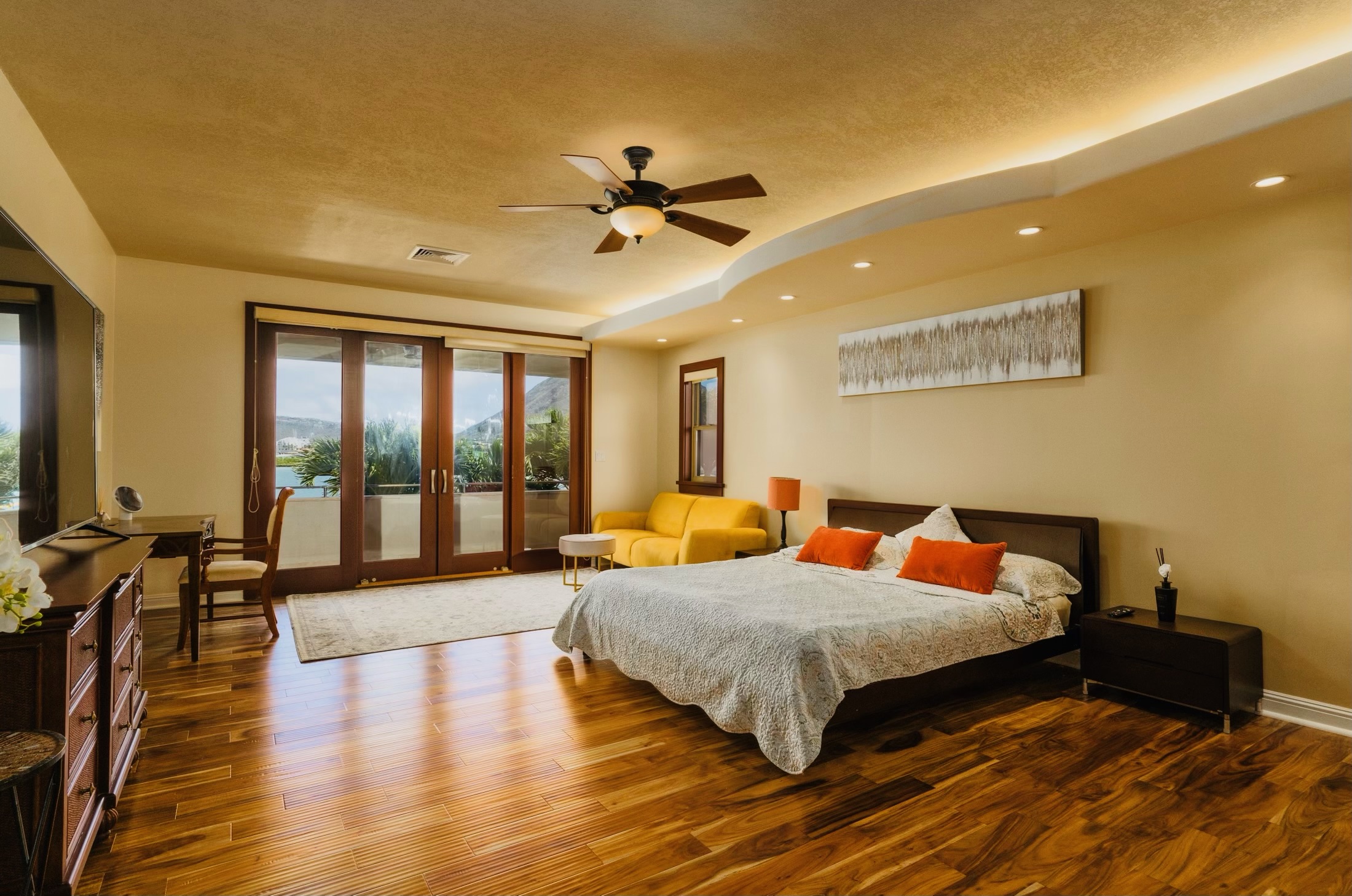
If you live in an older Lowcountry home, you probably love the charm—original trim, tall windows, maybe even a few creaky boards that tell stories. But when it comes time to replace or add hardwood floors, those same homes can be tricky. You’re balancing historic character, modern expectations, and a climate that’s relentlessly hot and humid for months at a time.
Below, we’ll walk through which hardwood species perform best in that mix of history and humidity, and how to get the right look without fighting cupping, gapping, and endless maintenance.
Why Humidity Matters More Than Age
Historic homes often have crawlspaces, shifting foundations, and less insulation than new builds. Combine that with 80% summer humidity and the occasional tropical storm, and wood movement becomes a real concern.
Two choices make the biggest difference:
- Engineered vs. solid construction
- Species and grain pattern
Engineered planks use a real hardwood veneer over layered wood backing. That layered core is more dimensionally stable than a single solid board, so it handles seasonal moisture swings better—especially near marshes or tidal creeks. In many older houses, engineered options are the safer way to bring in classic character without the risk of severe cupping.
Once you decide on construction, species choice fine‑tunes how your floor will wear over the next few decades.
Oak: The Workhorse for Historic Charm
Oak has been the backbone of American hardwood flooring for generations, and it still makes sense for older homes that need to feel “original” but stand up to daily life.
Red and white oak both offer:
- Strong resistance to dents compared to softer woods
- A grain pattern that hides small scratches and seasonal movement
- A neutral base that takes stain beautifully, from warm honey to deep espresso
If you’re trying to match existing trim or staircase treads, oak is usually the easiest species to blend in. You’ll find a wide range of widths, finishes, and colors in the hardwood flooring collection, including wire‑brushed textures that feel right at home in older architecture.
In homes where the subfloor may not be perfectly flat, oak’s forgiving grain and broad availability in engineered constructions make it a practical, good‑looking choice.
Hickory and Maple: When You Need Extra Durability
Many older homes have been reimagined for modern living—open kitchens, kids, pets, and sand getting tracked in all summer. In those spaces, you may want something a little tougher than traditional oak.
Hickory is one of the hardest domestic species commonly used in flooring. It’s a strong fit when you:
- Have large dogs or lots of foot traffic
- Expect sand and grit from nearby beaches to be part of daily life
- Like a rustic, varied look
Hickory’s dramatic color variation and bold grain feel right at home in casual family rooms or renovated farmhouses. Just know that its busy pattern is a design choice—you either love that movement or you don’t.
Maple goes in the opposite direction visually. It’s:
- Smooth‑grained and more minimalist
- Naturally lighter in color
- Best in spaces where you want a cleaner, more contemporary feel layered into historic bones
Because maple shows scratches more easily than oak or hickory, we often suggest it for formal living rooms, bedrooms, or upper floors where traffic is lighter. For busy entryways and kitchens, pairing a harder species with professional flooring installation helps maximize lifespan by ensuring the subfloor and moisture conditions are dialed in from day one.
Walnut and Beyond: Character Floors for Formal Rooms
When you’re restoring a parlor, library, or formal dining room, the goal may be less about “bulletproof” and more about warmth and depth.
Walnut is a favorite in those spaces because it offers:
- Deep, chocolate‑brown tones that look instantly aged
- A smoother grain that feels refined
- Enough stability, in engineered form, to handle Lowcountry conditions when installed correctly
The trade‑off is hardness. Walnut is softer than oak or hickory, so it will show wear sooner in heavy‑traffic areas. Many homeowners choose it strategically—rich walnut in the dining room, something tougher like oak or hickory in the kitchen and hallways.
If you’re mixing species across rooms, design tools in our flooring inspiration galleries can help you visualize how different tones and textures connect from one space to the next.
Matching Species to Your Specific Home
No two older houses are alike. A 1920s bungalow with a shaded lot faces different challenges than a raised cottage near the marsh or a renovated downtown row house. When we help homeowners choose species, we look at:
- How much direct sun and moisture each room sees
- What’s happening below the floor—crawlspace, slab, or basement
- Whether you’re trying to match existing floors or starting fresh
From there, we pair species with construction type. For example, engineered white oak in a wide plank can give you the historic feel you want with added stability over a less‑than‑perfect subfloor. If some rooms are better suited to tile or vinyl, our tile catalog and luxury vinyl selection make it easier to keep the whole house visually cohesive while still respecting moisture‑heavy areas.
You can also compare finishes and textures in person at our Mount Pleasant showroom, where you’re welcome to bring photos, measurements, and even a piece of existing trim to match.
When you’re ready to narrow down species, construction, and finish for your own historic home, we’re happy to walk you through options, samples, and installation timing. To get started, simply schedule your flooring consultation and we’ll help you choose hardwood that looks original, lives comfortably with our summers, and lasts for decades.


