


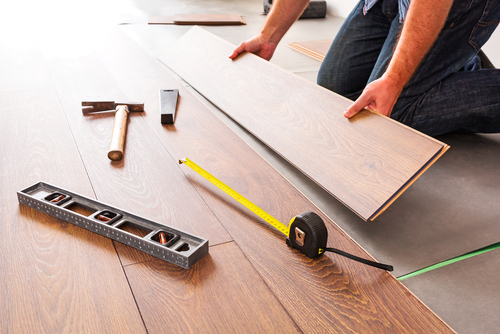
When you’re building a new home, flooring isn’t just another line item—it sets the tone for every room. In Summerville’s expanding communities, many buyers picture wide-plank wood running from the front door through the main living areas, but they’re also wondering how that beautiful floor will hold up to Lowcountry humidity, kids, and pets over the long haul.
Below, we’ll walk through how to choose hardwood that fits new construction realities, from slab foundations and open floor plans to our damp climate and busy lifestyles.
Engineered vs. Solid: Start with the Structure
New homes in the Lowcountry are often built on slabs, which means moisture can migrate up through the concrete. That’s one reason engineered hardwood is usually a better fit than traditional solid boards for new builds here.
Engineered planks are built in layers, so they’re more stable when humidity swings between air‑conditioned interiors and steamy summer afternoons. Solid wood can still work, but it typically needs tighter moisture control, longer acclimation, and sometimes a different installation method than your builder originally planned.
If you want to explore specific species and constructions, our hardwood flooring collection lets you compare engineered and solid options side by side, from classic oak to more distinctive hickory or acacia.
Choosing Species and Finishes for Real Life
Once you’ve settled on construction, the next big decision is how the floor will look and wear in everyday life. In open layouts where the kitchen, dining, and living spaces blend together, the wood tone you pick will influence everything from cabinet colors to furniture.
Harder species like oak and hickory are popular because they shrug off the small dents that come with dropped toys, rolling chairs, and the occasional sand tracked in from weekend outings. Softer woods can still be beautiful, but they tend to show wear sooner in high‑traffic zones.
Finish plays a big role too:
- Matte and wire‑brushed surfaces hide scuffs and dust better than high gloss.
- Mid‑tone colors are forgiving with pet hair and everyday crumbs.
- Subtle character marks (like knots and grain variation) disguise future nicks.
If you’re trying to visualize how different tones will feel in a bright, new great room, our online flooring inspiration galleries are a helpful way to see wood looks in real spaces before you commit.
Planning for Humidity, Sand, and Daily Traffic
Lowcountry homes live with moisture year‑round, even if you’re not right on the water. Air conditioning helps, but indoor humidity still fluctuates, and new construction can trap extra moisture in the first year as materials dry out.
A few smart choices up front will help your hardwood handle those conditions:
- Ask your builder to keep the home at consistent temperature and humidity during and after installation, so boards don’t swell or shrink dramatically.
- Consider wider planks in engineered formats, which tend to move less and show fewer gaps.
- Use walk‑off mats at entries to catch grit that would otherwise scratch the finish.
Because installation is as important as the product itself, our team coordinates with builders and homeowners on timing, acclimation, and layout. You can learn how we approach subfloors, transitions, and final walk‑throughs in our professional flooring installation overview.
If you’re also weighing alternatives for areas like mudrooms or kids’ bathrooms, our luxury vinyl selection includes waterproof options that pair nicely with hardwood in the main living spaces.
Budgeting Hardwood into Your New Build
In a new neighborhood, resale value is always part of the conversation. Quality hardwood in main living areas tends to photograph well, stand out in listings, and appeal to future buyers who may be comparing your home to others nearby. At the same time, construction budgets are real, and upgrades add up quickly.
One strategy is to prioritize hardwood where it has the most visual impact—entry, great room, kitchen—and use other materials in secondary spaces, then plan to extend wood later. Another is to choose a more budget‑friendly species or finish now, with an eye toward long‑term durability rather than short‑term trends.
If spreading the cost out over time would make your choices more comfortable, our financing options explain ways to invest in better materials without derailing your overall build budget.
When you’re ready to match specific products to your floor plan and lifestyle, we’re here to help you sort through samples, finishes, and installation details. You can schedule your flooring consultation to talk through hardwood choices for your new build and see how they’ll look in your future home.


