


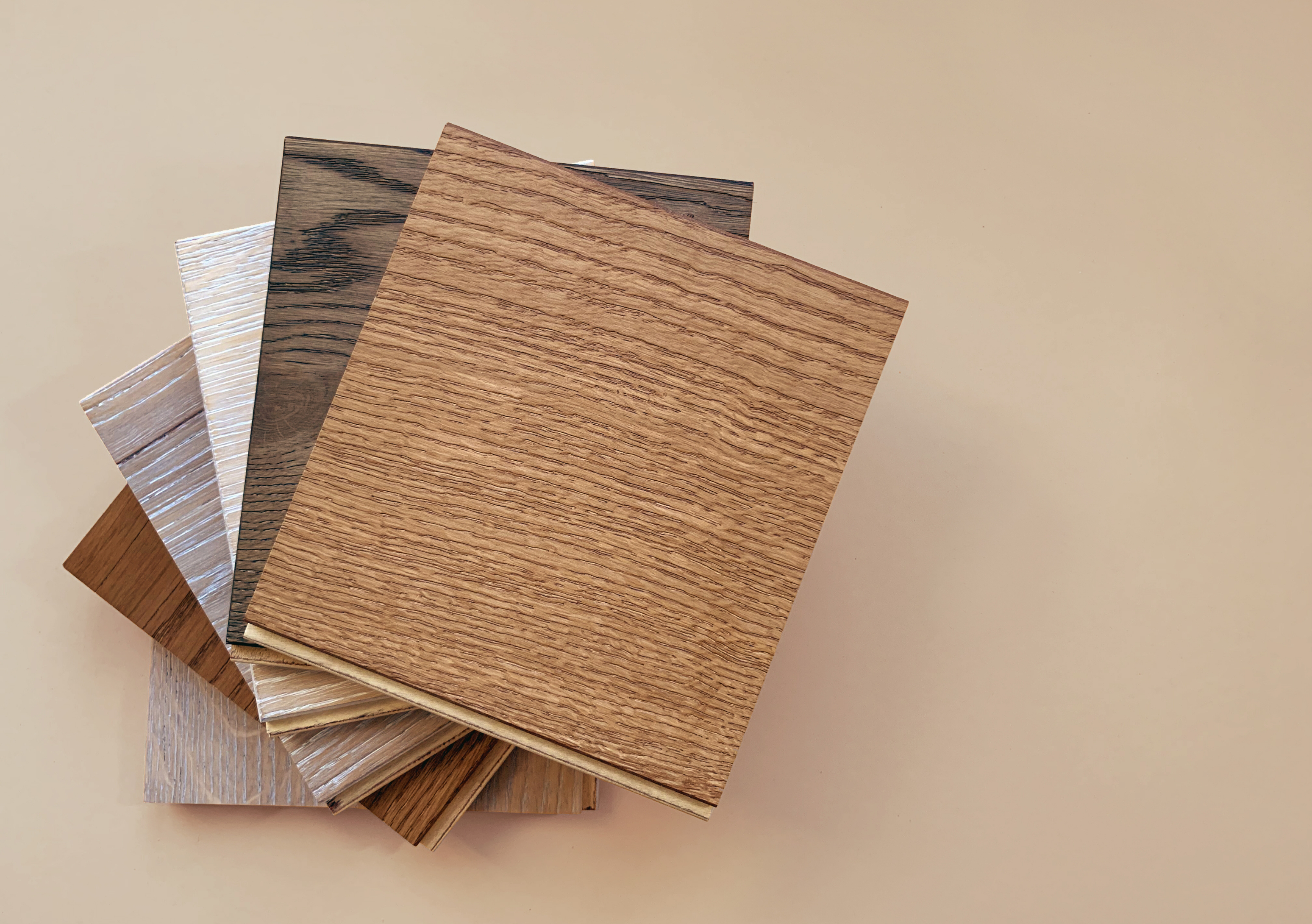
A renovation in the Lowcountry often starts with a simple goal: make the house feel better without choosing materials you will regret in two summers. When heat, moisture, and daily grit are part of real life, eco-friendly flooring is not just about what looks responsible on a sample board. It is about picking something that lasts, ages well, and fits the way you live.
At Palmetto Carpet & Floor Coverings, we have helped homeowners make those tradeoffs since 1990. For many projects, the greenest decision is not chasing a trend. It is choosing wood that suits the home, the climate, and the renovation timeline so you do not have to replace it early.
Sustainability Starts With Longevity
People often define sustainable flooring by where the tree came from, but durability matters just as much. A floor that cups, gaps, or wears out too soon creates waste, extra labor, and another round of material production. In a humid market like Mount Pleasant, that is why we usually steer renovations toward engineered hardwood options rather than solid planks for many homes, especially on slab foundations or near marshy areas.
That recommendation is practical, not trendy. Engineered construction uses real wood on top, but the layered core gives it better dimensional stability when indoor moisture rises and falls. If you are updating an older property in Charleston, that matters even more because historic layouts often come with uneven conditions from room to room. A beautiful floor is only a smart choice if it can stay beautiful through August.
Species and Surface Matter More Than Most People Expect
Once construction is settled, the next question is usually species. Some homeowners assume a sustainable choice has to look rustic or heavily distressed, but that is not true. The better approach is to find a wood that fits your style while also handling active households, pets, and tracked-in sand.
Oak remains a favorite for good reason. Its grain is versatile, its look is timeless, and it works across traditional and newer interiors. If you want a species with broad design flexibility, browsing oak hardwood styles can help you compare cleaner visuals with more character-rich boards. For busy homes, texture also plays a role. Subtle scraping and brushing can disguise the small marks that come from everyday life, which is why many renovators are drawn to wire-brushed hardwood finishes instead of perfectly smooth surfaces.
That is one of the most overlooked parts of an eco-conscious remodel: the floor you can live with gracefully is often the floor you keep the longest.
Healthy Renovations Need the Right Installation Plan
A responsible material can still underperform if the installation is rushed or the site conditions are ignored. Wood needs time to acclimate, subfloors need to be evaluated honestly, and moisture cannot be treated like a minor detail in coastal South Carolina. Those steps protect the investment, but they also reduce the chance of early failure and replacement.
We always encourage homeowners to think about the whole system, not just the plank. Our professional installation process is designed to match the product to the home’s conditions, which is especially important in places like Sullivan’s Island where salt air and humidity can test every finish in the house. If you are still sorting through stain, width, and texture ideas, our inspiration galleries are a useful way to narrow your direction before you commit.
Eco-Friendly Should Still Feel Personal
The best hardwood renovation does not lecture you about sustainability. It simply makes smart choices that hold up, look right in the space, and avoid unnecessary replacement. That could mean a stable engineered floor, a forgiving surface texture, or a classic species that will not feel dated five years from now.
If you are ready to compare thoughtful materials for your renovation, we invite you to request an appointment and talk through the options with us.


