


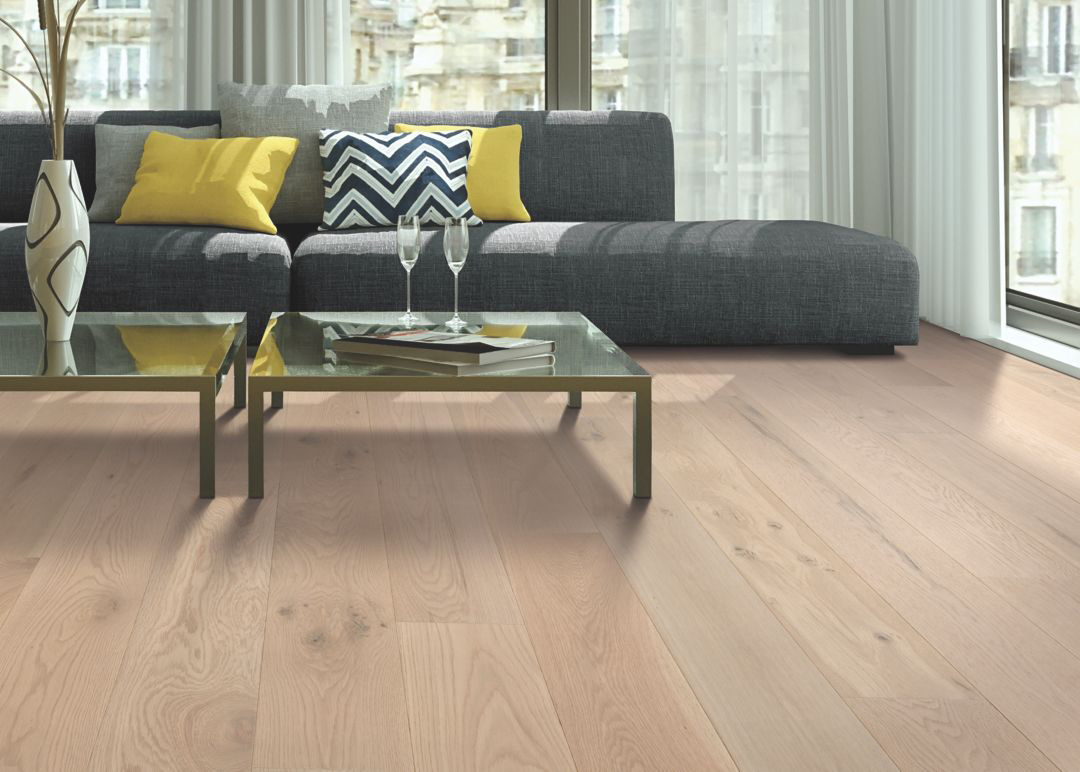
A lot of Lowcountry homeowners start with the same question: do you want a floor that feels calm and classic, or one that makes a little more of a statement? In a place where humid summers, tracked-in grit, and busy family traffic are part of everyday life, that choice matters as much as color. When we help families compare oak and hickory, we usually find that both can work beautifully, but they solve slightly different problems.
What really separates oak from hickory
At first glance, these two species can seem similar because both fit comfortably in traditional and updated interiors. The difference shows up once you look at grain, color movement, and overall visual energy. Oak hardwood styles tend to feel more even and familiar, with a grain pattern that works well in open-concept living spaces or homes where you want the furnishings to do most of the talking. Hickory hardwood options usually bring stronger character, wider natural color variation, and a bolder look that can give a room more personality without feeling rustic by default.
That style difference is often the deciding factor. If your home already has a lot going on—busy countertops, patterned upholstery, or strong wall color—oak often keeps the room balanced. If the space feels plain or builder-basic, hickory can add depth fast.
Durability matters differently in real life
Strength is where hickory gets a lot of attention, and for good reason. It is typically harder than oak, so it can be a smart pick for active households with dogs, kids, or a steady stream of sandy shoes coming through the door. In Goose Creek, where many homes need to handle daily wear without becoming fussy, that extra toughness can be appealing.
Still, hardness is not the whole story. A floor also has to live well with our climate. In the Charleston area, humidity regularly climbs above 80 percent, and seasonal moisture swings can stress wood if the construction is not right for the house. That is why we often steer homeowners toward engineered hardwood choices, especially on slab foundations or in coastal conditions, because they offer better dimensional stability than many solid products. If you want a broader overview before narrowing down species, our hardwood buying guide explains how construction, finish, and maintenance all work together.
Style, maintenance, and how the floor will age
Oak usually wins on flexibility. It takes stain beautifully, works with everything from historic-inspired interiors to newer suburban layouts, and tends to age in a way most homeowners already recognize and appreciate. That makes it easier to design around if you expect your furniture or paint colors to change over time.
Hickory, on the other hand, is often better when you want the floor itself to be part of the design story. Its variation can help hide the small signs of lived-in use that show up in a busy home. That said, its stronger movement in color and grain is not for everyone. In some rooms, especially smaller ones, it can feel visually busier than oak. Since 1990, Palmetto Carpet & Floor Coverings has helped homeowners sort through those tradeoffs in a practical way, not just by choosing what looks good on a sample board, but by considering how it will feel after years of daily life.
Which one makes more sense for your home?
If you want a timeless look with broad design flexibility, oak is usually the safer choice. If your priority is toughness and natural character, hickory often earns a closer look. In Mount Pleasant and nearby communities, the right answer usually comes down to your household rhythm, your subfloor, and how much visual variation you enjoy living with every day.
If you would like help comparing species, construction, and finishes side by side, we invite you to request an appointment and visit us with your room photos, samples, and questions.


