


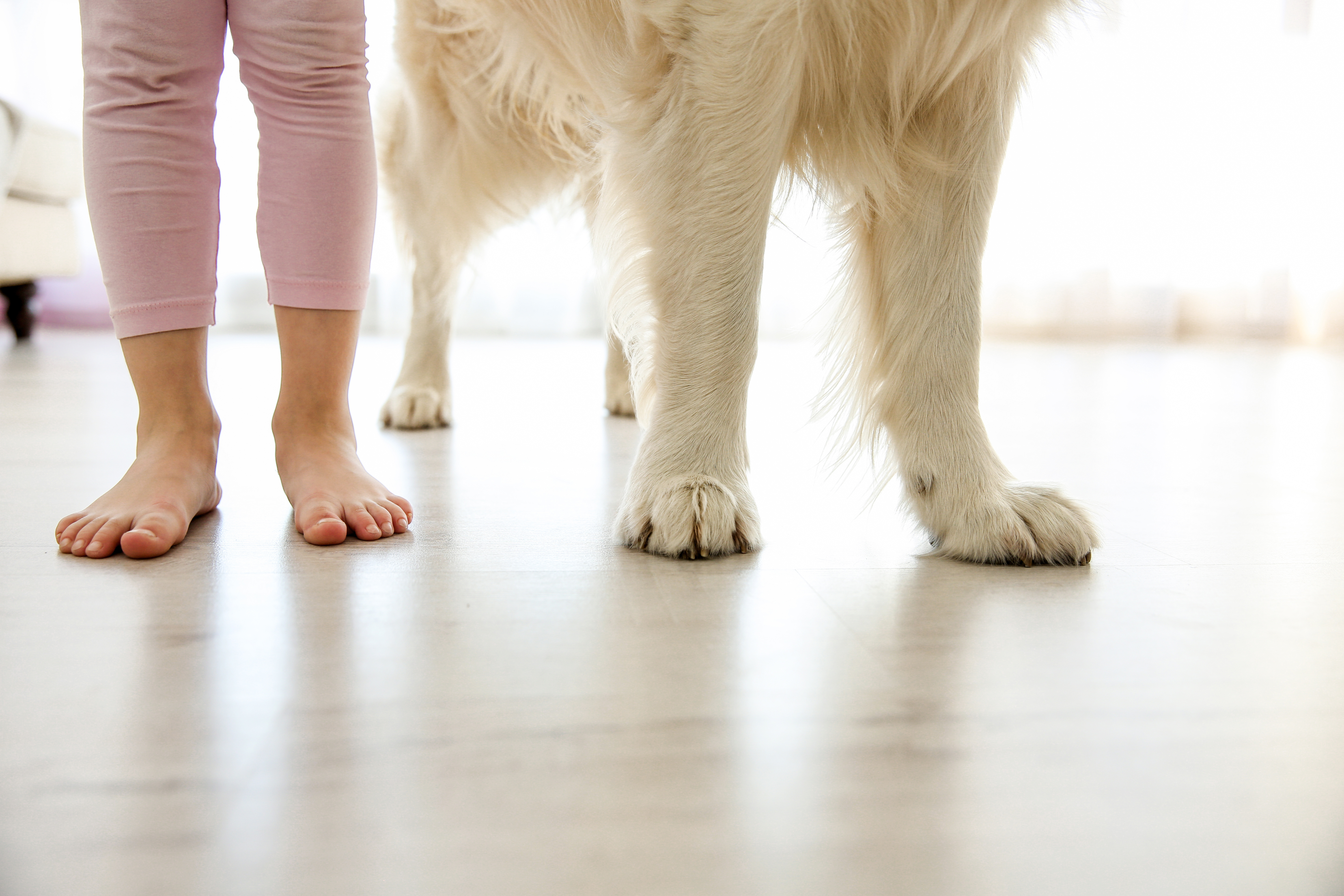
A busy Lowcountry home can put a floor through a lot before lunch. Wet feet from the pool, sand by the back door, a dog racing through the kitchen, and kids dropping backpacks all test a surface in different ways. If you want real wood underfoot, the goal is not to avoid life. It is to plan for it.
At Palmetto Carpet & Floor Coverings, we have helped families make that decision since 1990, and the right answer usually starts with how your house actually functions day to day.
Start with the right construction for coastal humidity
In our climate, performance begins below the surface. Hot summers, frequent rain, and long stretches of high humidity can make wood move more than homeowners expect, especially in homes near the water or on slab foundations. That is why we usually steer active households toward engineered hardwood options when they want the look of wood with better dimensional stability.
That does not mean solid planks never make sense. In the right setting, they can be a beautiful long-term choice. But for many families in Mount Pleasant or on Isle of Palms, daily moisture and indoor-outdoor traffic make construction choice just as important as color. If you want a clearer picture of how species, width, and installation conditions affect performance, our hardwood basics guide lays out the fundamentals in plain language.
Choose a surface that hides wear instead of spotlighting it
In a house with children and pets, small marks are not a sign of failure. They are part of living on the floor you chose. The trick is selecting a texture and tone that keeps normal wear from becoming the first thing you notice every evening.
A smoother, darker board can look elegant, but it often shows scratches, paw paths, and dust more quickly. Families with retrievers, active kids, or frequent backyard traffic usually do better with wire-brushed hardwood styles, because that texture softens the appearance of everyday scuffs. Lighter visuals also help. Many homeowners gravitate toward light-tone hardwood because it keeps rooms open and tends to camouflage sand and minor surface debris better than very dark stains.
That matters even more in older Charleston homes, where natural light can shift dramatically from room to room and every finish decision becomes more visible.
Plan the entry points, not just the planks
The best wood floor plan includes what happens around the floor, not only the product itself. Pool entries, patio doors, mudroom paths, and pet feeding zones deserve attention before installation day. A beautiful surface will last longer when water has a place to stop and grit has a chance to stay near the threshold instead of traveling through the house.
That is one reason we often recommend layering in area rugs for high-traffic zones where paws land, towels drop, or kids pivot in and out. Those soft surfaces can absorb wear in the spots that take the most abuse while making the whole room feel more finished. Just as important, a careful professional installation process helps account for subfloor condition, expansion needs, and the real moisture behavior of the home rather than treating every property the same.
Think about maintenance before you fall in love with a look
Some floors are easy to admire in a showroom and harder to live with on a Tuesday. Before you commit, think about how often you want to sweep, how quickly you will notice a scratch, and whether you are willing to change pet nail routines or entry habits.
For most busy households, the sweet spot is a wood floor that looks better because life is happening on it, not worse. That usually means stable construction, forgiving texture, and a color that works with sand, sunlight, and splashy afternoons instead of fighting them.
If you want help narrowing down the best fit for your household, we would be glad to walk you through it and help you compare realistic choices for your rooms. The easiest next step is to request an appointment and talk through your home, your traffic patterns, and the kind of hardwood that will hold up beautifully over time.


