


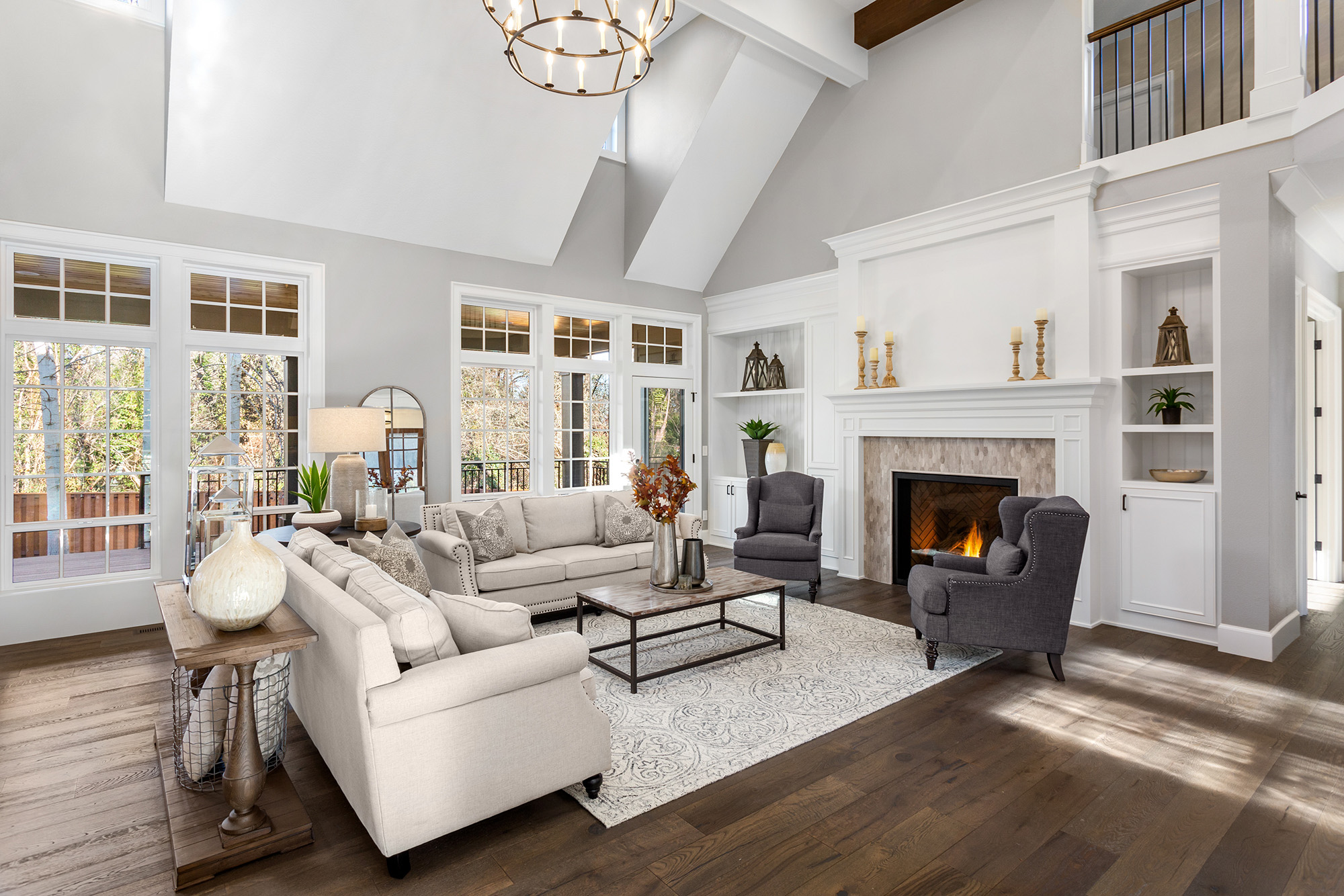
In a townhome, sound travels fast. One set of footsteps overhead, a dog turning the corner at full speed, or chairs sliding across the dining area can make a beautiful floor feel less comfortable than you expected. In Charleston’s tighter floorplans and shared-wall layouts, the right hardwood choice is not just about appearance. It is also about how the home feels when everyday life is happening.
At Palmetto Carpet & Floor Coverings, we have helped Lowcountry homeowners make that balance work since 1990. The goal is usually not a perfectly silent floor. It is a floor that looks warm and timeless while cutting down on the sharp, hollow noises that can make upstairs living feel busy.
Start with construction, not just color
When people shop for wood, they often begin with stain, plank width, or species. For a quieter result, we encourage you to begin with how the floor is built. In our climate, where summer humidity regularly climbs above 80 percent, engineered hardwood options are usually the smarter fit for townhomes because they handle seasonal moisture swings more predictably than many solid products.
That matters for sound in an indirect way. A floor that stays more stable over time is less likely to develop movement-related noise, small gaps, or the subtle shifting that homeowners sometimes describe as a “click” underfoot. In many cases, solid hardwood choices still have their place, but they tend to be a better conversation for very specific site conditions rather than the default answer in attached coastal housing.
Surface texture can soften the way a floor lives
A perfectly smooth, glossy plank reflects light beautifully, but it also shows every speck of dust and can make routine wear feel more obvious. In a townhome with kids, pets, or frequent guests, texture often creates a calmer experience. Wire-brushed hardwood styles help break up visual noise, which means the floor looks quieter even before you think about acoustics.
That visual effect matters more than many people realize. When a surface hides fine scratches and tracked-in grit better, you are less likely to feel like the room is constantly asking for attention. For homeowners who want a softer, more relaxed look, lighter tones can also help open up narrower interiors, and our light-tone hardwood selection is often a strong fit for smaller footprints.
Noise control depends on what goes under and around the planks
A quieter room is never created by wood alone. Subfloor condition, underlayment choice, stair detailing, and transitions all affect how sound moves through the home. This is especially important in Mount Pleasant townhomes, where open-concept main levels and second-floor bedrooms can amplify everyday activity if the assembly below the surface is not handled carefully.
That is why installation quality matters so much. Even an excellent material can sound disappointing if the base is uneven or the recommended system is skipped. Our professional installation process helps homeowners think through the full assembly, not just the visible layer. If you are still comparing species, finishes, and construction types, our hardwood buying guidance can also help you sort through the practical tradeoffs before making a final decision.
The quietest floor is the one that fits your real routine
Some homes need to absorb pet traffic. Others need to feel polished without becoming echo-prone. In older Charleston properties that have been divided or renovated, the challenge is often preserving character while improving daily comfort. That is why we ask about lifestyle before we talk about trends.
A beautiful floor should support the way you live, not ask you to tiptoe around it. If you want help choosing a hardwood solution that feels more peaceful in a townhome setting, we invite you to request an appointment and talk through the options with our team.


