


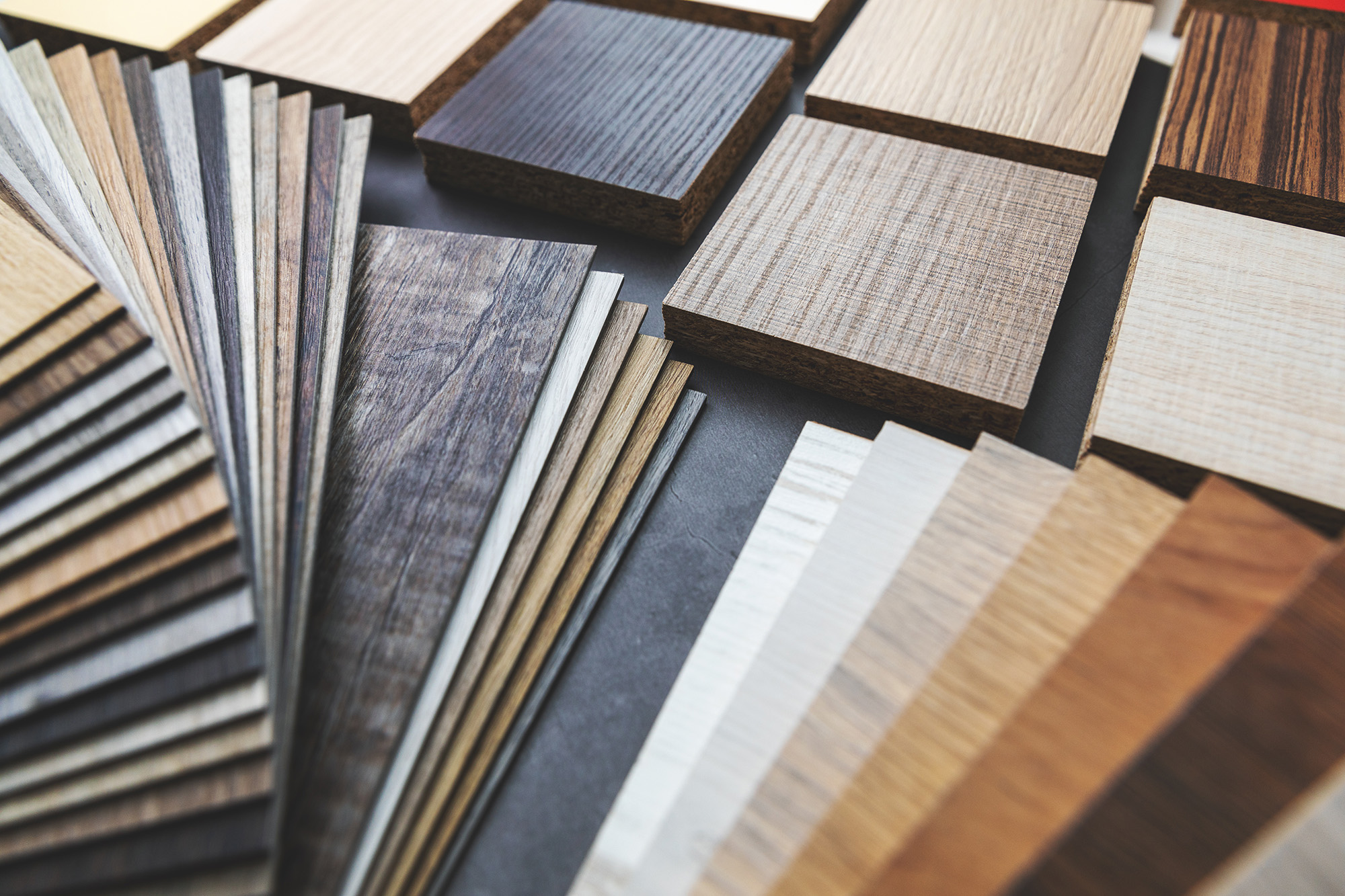
A busy summer afternoon in the Lowcountry can be hard on a floor. Sand comes in from the beach, pets race through the house, and humidity hangs in the air long after the door closes. If you are choosing laminate for a home that has to look good and hold up, one small detail matters more than many shoppers realize: the AC rating.
What an AC rating actually tells you
AC stands for Abrasion Class. It is a durability scale that measures how well a laminate surface resists wear from foot traffic, scuffs, impact, and everyday use. In simple terms, it helps you understand whether a product is better suited for a quiet guest room or a much busier main living area.
That matters here because households in Mount Pleasant often deal with a mix of moisture, grit, and constant in-and-out traffic. A floor can look great in a sample board and still disappoint if its wear layer is not built for real life. When you compare styles in our laminate flooring selection, the AC rating is one of the quickest ways to narrow the field to products that fit how you actually live.
How to read the scale without overcomplicating it
Most homeowners do not need to memorize every testing standard. What helps is knowing the practical difference between the numbers. Lower ratings are generally better for lighter residential use, while higher ones are made for more demanding spaces.
A good rule of thumb looks like this:
- AC1 to AC2 works best in low-traffic rooms.
- AC3 is a strong fit for many residential living spaces.
- AC4 and AC5 are better choices where you expect heavier wear.
For many families, AC3 is the baseline where laminate starts to feel like a long-term solution instead of a short-term cosmetic upgrade. If you have kids, large dogs, or frequent guests, moving up the scale can be worth it. In homes near marshes, creeks, or the barrier islands, durability often needs to pair with moisture defense, which is why many readers also look at waterproof laminate options when they want a floor that can better handle everyday surprises.
Why AC ratings matter in Lowcountry homes
Not all wear comes from the same source. In Charleston’s historic homes, you may be dealing with uneven subfloors, busy hallways, and older layouts that concentrate foot traffic in a few key paths. On Sullivan’s Island, the bigger issue may be fine sand acting like sandpaper over time. The AC rating does not tell you everything about performance, but it does give you a reliable snapshot of how tough the top surface is.
That said, the number should never be the only factor. Board construction, locking system, texture, and water resistance all affect how satisfied you will be a few years from now. A textured surface can also help disguise day-to-day dust and minor wear better than a flatter finish, which is one reason some homeowners gravitate toward textured laminate styles for active households.
The smartest way to choose the right level
The best laminate is not automatically the one with the highest rating. It is the one that matches the room, the traffic, and the way your household actually functions. A formal guest room does not need the same build as an open kitchen, den, and hallway that sees constant movement.
Since 1990, we have helped Lowcountry homeowners sort through these tradeoffs without making the process feel complicated. At Palmetto Carpet & Floor Coverings, we often guide shoppers to start with use case first, then compare visuals, water protection, and installation requirements. If you want a better feel for what separates product categories before you shop styles, our laminate flooring guide gives helpful background in plain language.
A strong-looking floor should also make sense for the way you live every day. If you want help comparing AC ratings, finishes, and room-by-room durability, you can request an appointment and we will walk through the options with you.


