


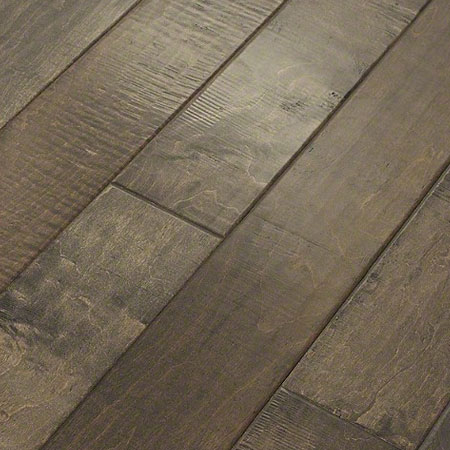
A lot of Lowcountry homeowners reach this decision the same way: one day the floor still feels “lived in,” and the next day every scratch, dull traffic lane, and sun-faded board seems impossible to ignore. In older homes around Charleston, that question gets even trickier because wear is only part of the story. Humidity, past leaks, and years of seasonal movement matter just as much as appearance.
Start with what the wood is telling you
Refinishing makes sense when the surface is the main problem. If the boards are solid underfoot, the layout still suits your home, and the damage is mostly light scratching, finish wear, minor staining, or fading, a new finish can bring the room back to life without changing the floor itself. If you want a clearer picture of how wood flooring is built and what can be restored, our hardwood basics guide gives helpful context before you make a bigger decision.
Replacement becomes the better path when the issues go deeper than the top coat. Boards that are cupped, badly warped, split through the thickness, or softened by repeated moisture exposure usually point to structural trouble, not cosmetic aging. In coastal homes, especially near Isle of Palms, that distinction matters because persistent humidity and salt air can turn a small problem into a recurring one if the material underneath is already compromised.
Refinish when the floor still has years left
The best candidates for refinishing are floors with good bones. Older oak strips, in particular, often respond beautifully when the wear is mostly on the surface, which is one reason many homeowners still love the look and longevity of oak hardwood styles. A thoughtful refinish can also be a smart choice if you want to update sheen or color without losing the character that made you keep the floor in the first place.
That said, not every wood floor should be sanded again. Some products have a thinner wear layer, and some have already been refinished once or twice. Before anyone promises a dramatic transformation, the first step should be confirming how much material is left and whether the boards are stable enough to justify the work. A floor can be old and still worth saving, but only if the structure supports it.
Replace when performance matters more than nostalgia
There are times when replacement is less about looks and more about avoiding another round of frustration. If you have widespread movement, patchy repairs from old plumbing leaks, or rooms where different batches never blended well, refinishing may only highlight the unevenness. In those cases, starting over often delivers a cleaner result and a longer-lasting one.
For many homes in Mount Pleasant, engineered wood is the practical upgrade because it handles moisture swings better than traditional strip flooring. When we guide customers through engineered hardwood options, we’re usually talking about stability first: a layered construction that better fits slab foundations, humid summers, and day-to-day coastal living. If your current floor failed because the environment was working against it, replacement is your chance to choose a material better suited to the setting.
Don’t overlook installation and the whole-room result
Whether you refinish or replace, the final outcome depends on more than the boards themselves. Subfloor condition, moisture testing, transitions into nearby rooms, and trim details all shape how finished the project feels. That is why good planning matters as much as product selection, and why professional installation becomes essential when replacement is on the table.
It also helps to compare tones, widths, and textures in person rather than judging everything from a small screen. Since 1990, Palmetto Carpet & Floor Coverings has helped Lowcountry homeowners sort through those practical tradeoffs with real homes and real climate conditions in mind, not one-size-fits-all advice.
If your floor is mostly worn on top, refinishing may buy you many more years. If the boards are unstable or moisture damage has gone too far, replacement is usually the smarter investment. When you’re ready to talk through your rooms with us, you can request an appointment and we’ll help you decide which path makes the most sense.


